Agents that share memory instead of talking to each other. Two weeks at the Agentic AI Summit in Berkeley, ClawCamp and a team week in Berlin — and a dozen cognee agents running on one brain with no message bus. Star on GitHub
Founders note
These past two weeks we were at the Agentic AI Summit at Berkeley, where we are part of the Berkeley Xcelerator, then back in Berlin for ClawCamp and our own team week with everyone from Novi Sad and San Francisco in the office. A week together in one room does more for an architecture argument than a month of calls. Two of the busiest weeks we have had, and the most fun.
In our discussions, we keep coming back to one idea: the company brain. Instead of having agents talking to one another but forgetting what they said, we give them access to shared memory; a common understanding of what the company knows, what has happened, and what matters. In this newsletter, we share one example of how we are putting that idea into practice inside cognee. We also share where the product is headed: connecting more of your company's tools, data, and workflows through cognee Cloud so your agents can work from the same evolving memory.
What's new at cognee
Will your flat agentic memory fail?
Markdown files are the default way to give AI agents memory, and for one user and one agent they work fine. This article explains what breaks the moment you scale: permissions, multiple agents writing at once, temporal queries, traces, and retrieval each become their own system. It is built around the five questions we hear most often from founders on this path, and the thinking that shaped how we built cognee.
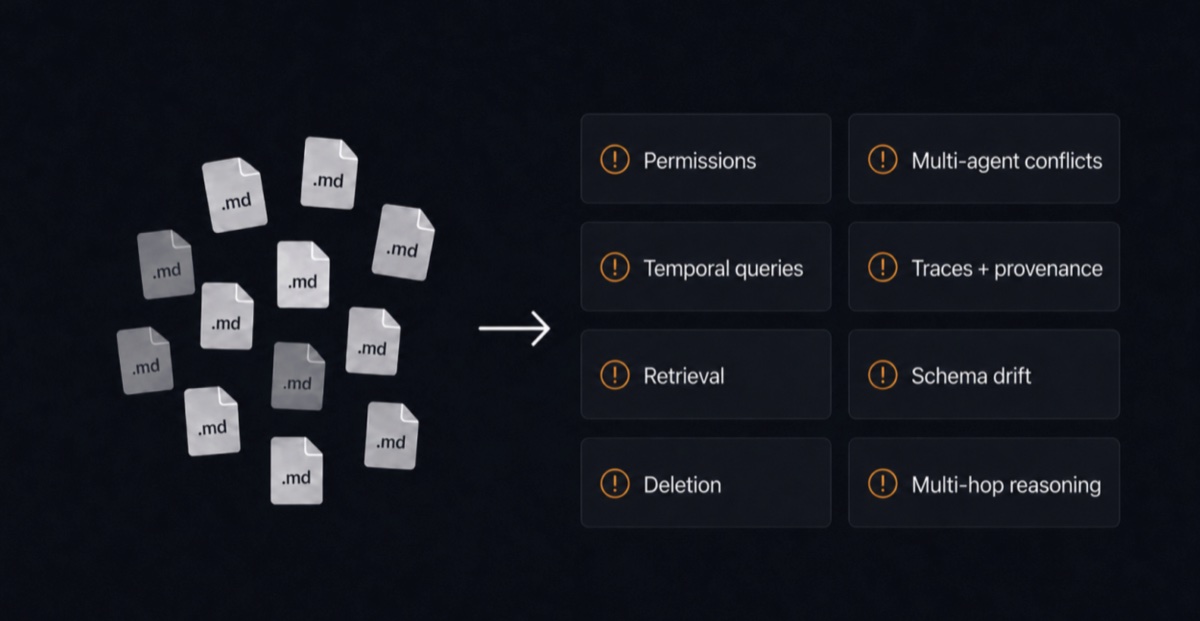
What it demonstrates: markdown is fine until something else needs to write to it, or until you need to ask what was true last week. We went deeper into the same trade-off in file-based AI memory.
How we run it: one brain, no message bus
Vasilije wrote about how cognee's own agents run: a dozen of them on sales, infra, social media, docs and the pull requests. They do not talk to each other and nothing orchestrates them. The shared memory is the only channel between them.
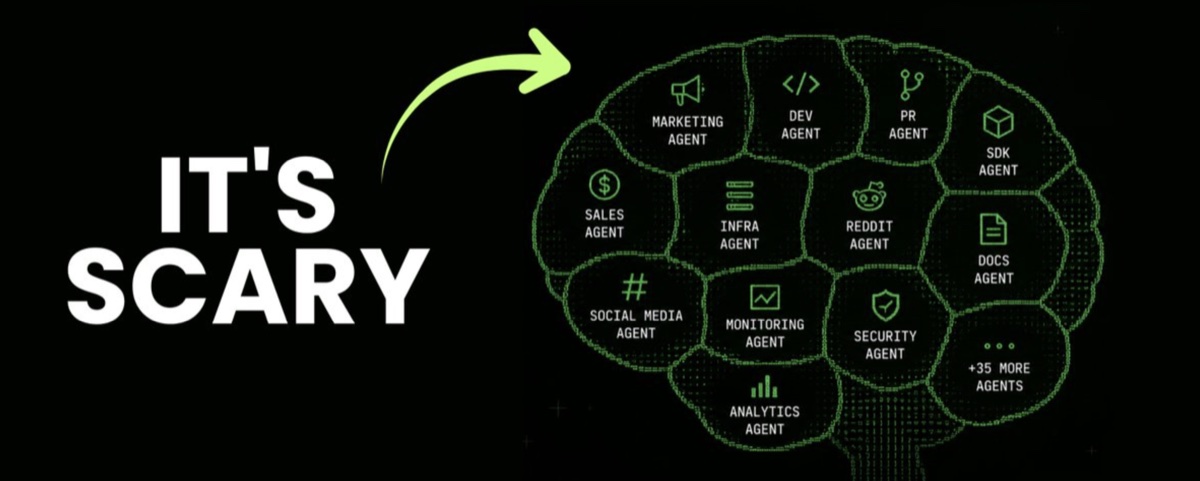
What it demonstrates: anyone can already hand a teammate their work. With shared memory you can hand them your agent's work: what it tried, what it found, the implementation it landed on.
Build with cognee at PW IOI
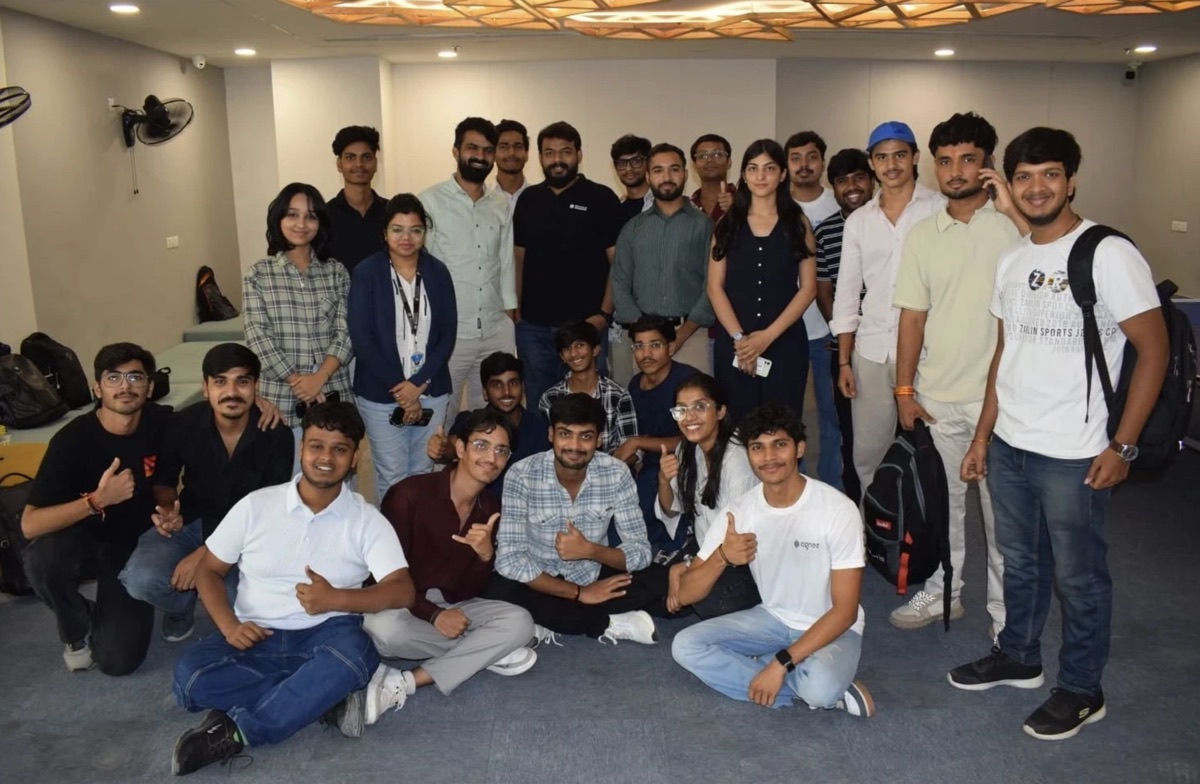
Together with Nerds Room, we ran our first cognee community event in India with more than 100 people participating. Our Founding DevRel, Dave, joined live at midnight from San Francisco, where he shared multiple use cases for a shared company brain, such as providing a more accurate knowledge graph for your agents.
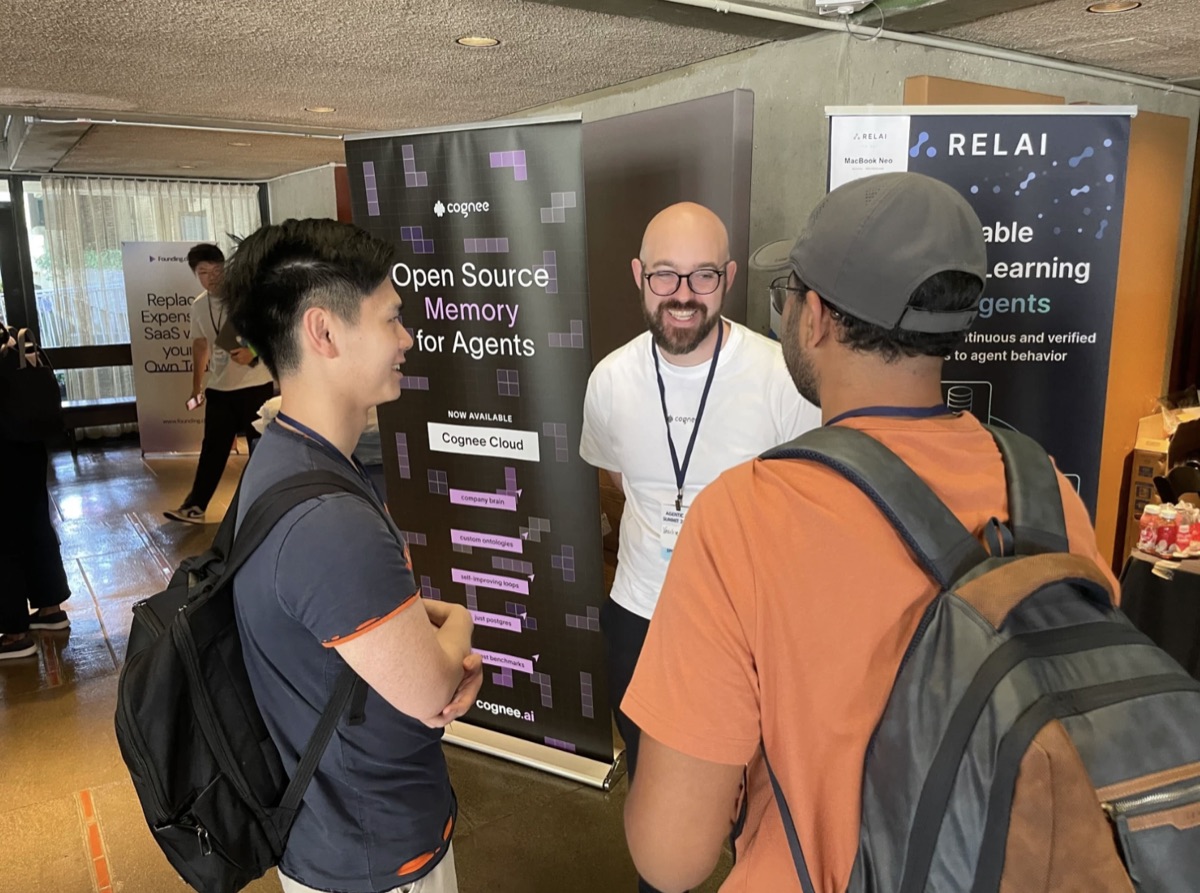
cognee at Berkeley
As part of the Berkeley Xcelerator, we were invited to present at the annual Agentic AI Summit, sharing the main stage with Ion Stoica and Ali Ghodsi from Databricks, Andrew Ng, Wojciech Zaremba from OpenAI and many more builders from the industry.
Vas's presentation starts right where the recording picks up below.
Come and meet us
Community hours are an open call where we work through cognee questions and whatever you are building with it. No slides — bring a problem.
- Aug 14, 17:00–22:00 CEST — Give Your Slack a Memory, Berlin. cognee and Qdrant are running an evening hackathon: wire cognee's memory engine into Qdrant's vector search and give a Slack workspace real recall. The prize pool is €1,200, and people from both teams will be there to support you. Save your spot
- Aug 18, 7:00 pm IST · 3:30 pm CET · 9:30 am ET · 6:30 am PT — Dave's online community hours. Dave is picking these up as a regular slot. Bring whatever you are building with cognee; the topic goes out in Discord beforehand. Save your spot
Behind the memory
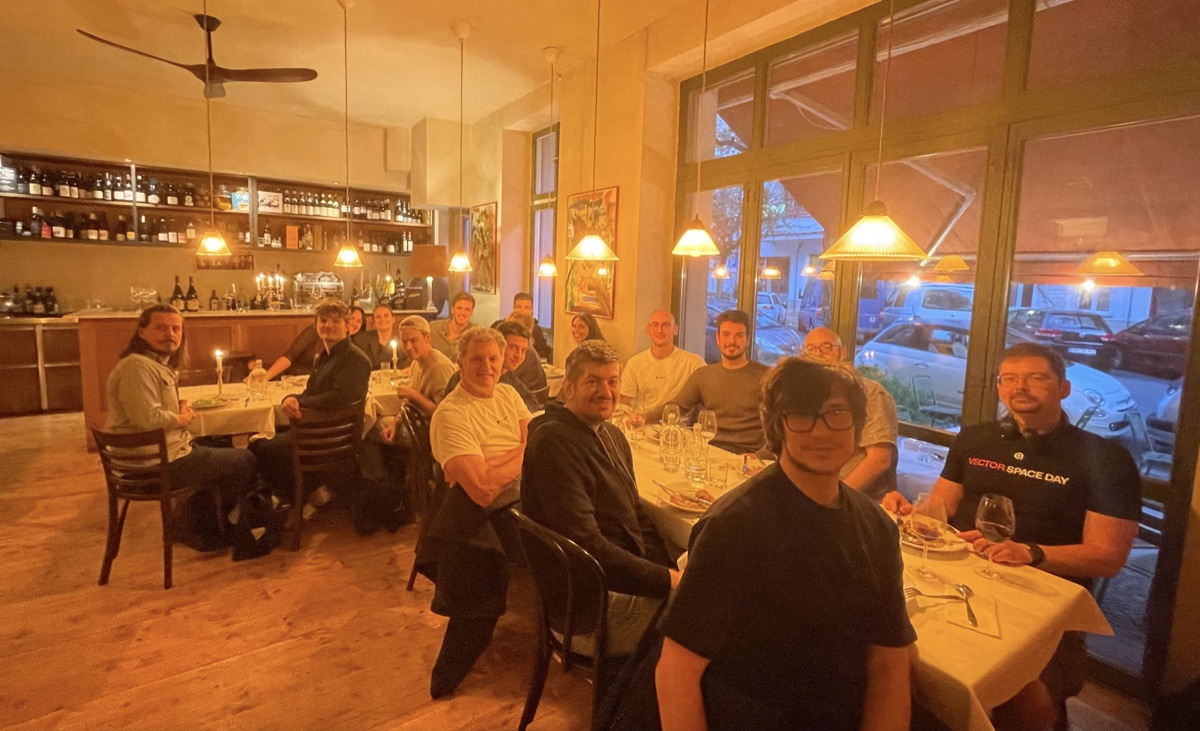
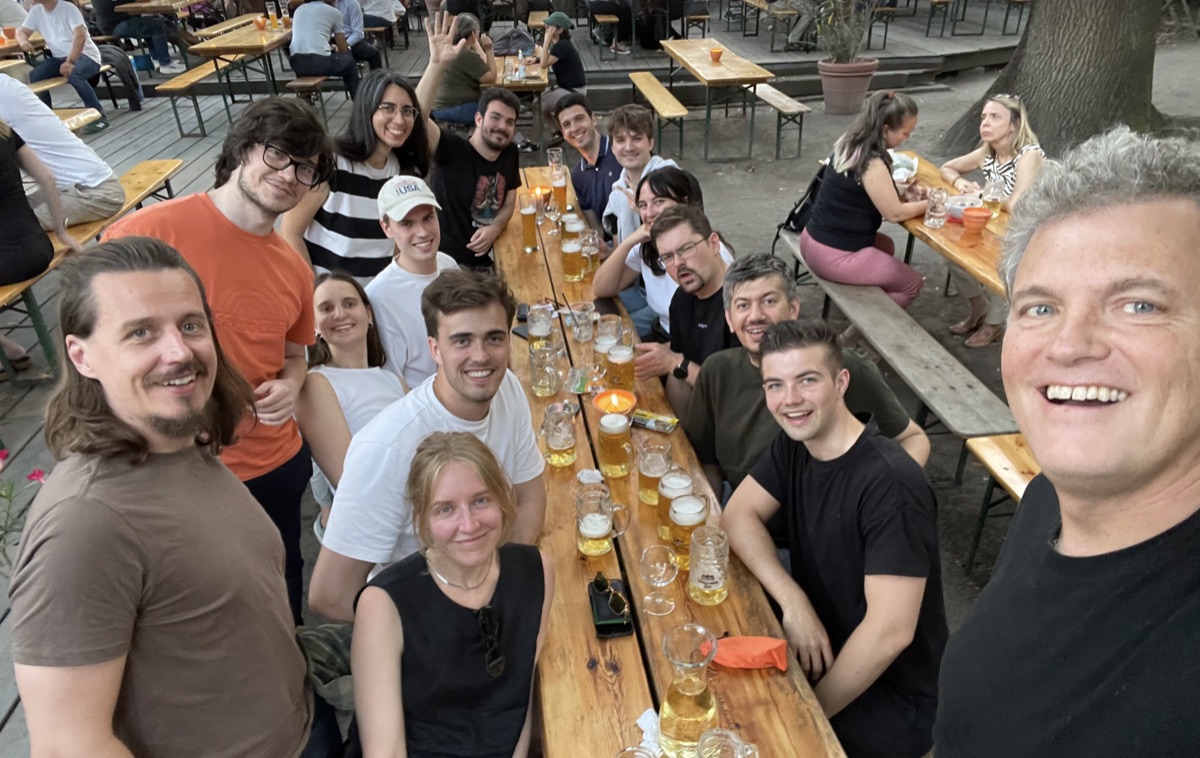
We are a remote team with offices in Berlin, SF, and Novi Sad. The whole team spent a week together in Berlin. The arguments that always outgrow the Zoom call finally made it into a conference room, and any remaining discussions were settled in the beer garden.
Know someone using agents?
Forward this issue to a builder who cares about self-improving AI memory.