The Cognee Blog
Stay in the loop
Cognee product & events updates, insights into our AI memory research and practical guides — in your inbox every two weeks.
Latest
Latest
Just Postgres: Drop the Graph Database. Keep the Graph.
cognee 1.0 runs the full agent memory layer — graph, vectors, sessions, and metadata — on a single Postgres instance, eliminating the need for separate graph database, vector store, and Redis deployments.
Technical Note: Understanding the Token Cost of Persistent AI Memory
Persistent memory trades an upfront ingestion cost for cheaper queries. We measure where the tokens go in cognee, model the trade-off, and find break-even at roughly 23–26 repeated queries — after which the gap keeps widening.
Behind the Viral Numbers: How We Got 7x Cheaper and 145% Better
Our LinkedIn and X videos put two numbers on screen — 7x cheaper than chat and 145% better than the best alternative. Here's exactly where each one came from, linked to our BEAM report.
cognee on-device: Bringing Agent Memory to the Edge
The cognee core rebuilt in Rust, bringing the full agent memory pipeline — graph construction, embeddings, and retrieval — to phones, robots, and offline environments without a server-side stack.
Inside cognee 1.0: Memory-Native APIs for Production Agents
cognee 1.0 ships four memory verbs — remember, recall, improve, forget — with a self-improving feedback loop, hybrid retrieval with evidence references, a TypeScript SDK, and migration tools for Mem0, Zep, and Letta.
AI Knowledge Base: Building a Retrieval-Ready Knowledge Layer
An AI knowledge base needs more than stored documents. Source context, entity relationships, and plural retrieval strategies are what turn stored data into reliable, agent-ready knowledge.
What Is a Knowledge Base? (and Why Most of Them Stop Working)
A knowledge base is a centralized system for storing reusable information — but most fail because of ownership gaps, drift, and no clear sense of what actually belongs in them.
LLM vs Generative AI: Comparing Models, Memory, and Architecture
Generative AI and LLMs are not the same thing. Learn the real difference, why architecture matters more than model size, and what memory and retrieval actually do.
Best Vector Database: Choosing for Search, RAG, and AI Memory
There's no single best vector database — the right choice depends on your retrieval workload, deployment model, and whether you need search, RAG, or full AI memory.
Just Postgres: Drop the Graph Database. Keep the Graph.
cognee 1.0 runs the full agent memory layer — graph, vectors, sessions, and metadata — on a single Postgres instance, eliminating the need for separate graph database, vector store, and Redis deployments.
Technical Note: Understanding the Token Cost of Persistent AI Memory
Persistent memory trades an upfront ingestion cost for cheaper queries. We measure where the tokens go in cognee, model the trade-off, and find break-even at roughly 23–26 repeated queries — after which the gap keeps widening.
Behind the Viral Numbers: How We Got 7x Cheaper and 145% Better
Our LinkedIn and X videos put two numbers on screen — 7x cheaper than chat and 145% better than the best alternative. Here's exactly where each one came from, linked to our BEAM report.
cognee on-device: Bringing Agent Memory to the Edge
The cognee core rebuilt in Rust, bringing the full agent memory pipeline — graph construction, embeddings, and retrieval — to phones, robots, and offline environments without a server-side stack.
Inside cognee 1.0: Memory-Native APIs for Production Agents
cognee 1.0 ships four memory verbs — remember, recall, improve, forget — with a self-improving feedback loop, hybrid retrieval with evidence references, a TypeScript SDK, and migration tools for Mem0, Zep, and Letta.
AI Knowledge Base: Building a Retrieval-Ready Knowledge Layer
An AI knowledge base needs more than stored documents. Source context, entity relationships, and plural retrieval strategies are what turn stored data into reliable, agent-ready knowledge.
What Is a Knowledge Base? (and Why Most of Them Stop Working)
A knowledge base is a centralized system for storing reusable information — but most fail because of ownership gaps, drift, and no clear sense of what actually belongs in them.
LLM vs Generative AI: Comparing Models, Memory, and Architecture
Generative AI and LLMs are not the same thing. Learn the real difference, why architecture matters more than model size, and what memory and retrieval actually do.
Best Vector Database: Choosing for Search, RAG, and AI Memory
There's no single best vector database — the right choice depends on your retrieval workload, deployment model, and whether you need search, RAG, or full AI memory.
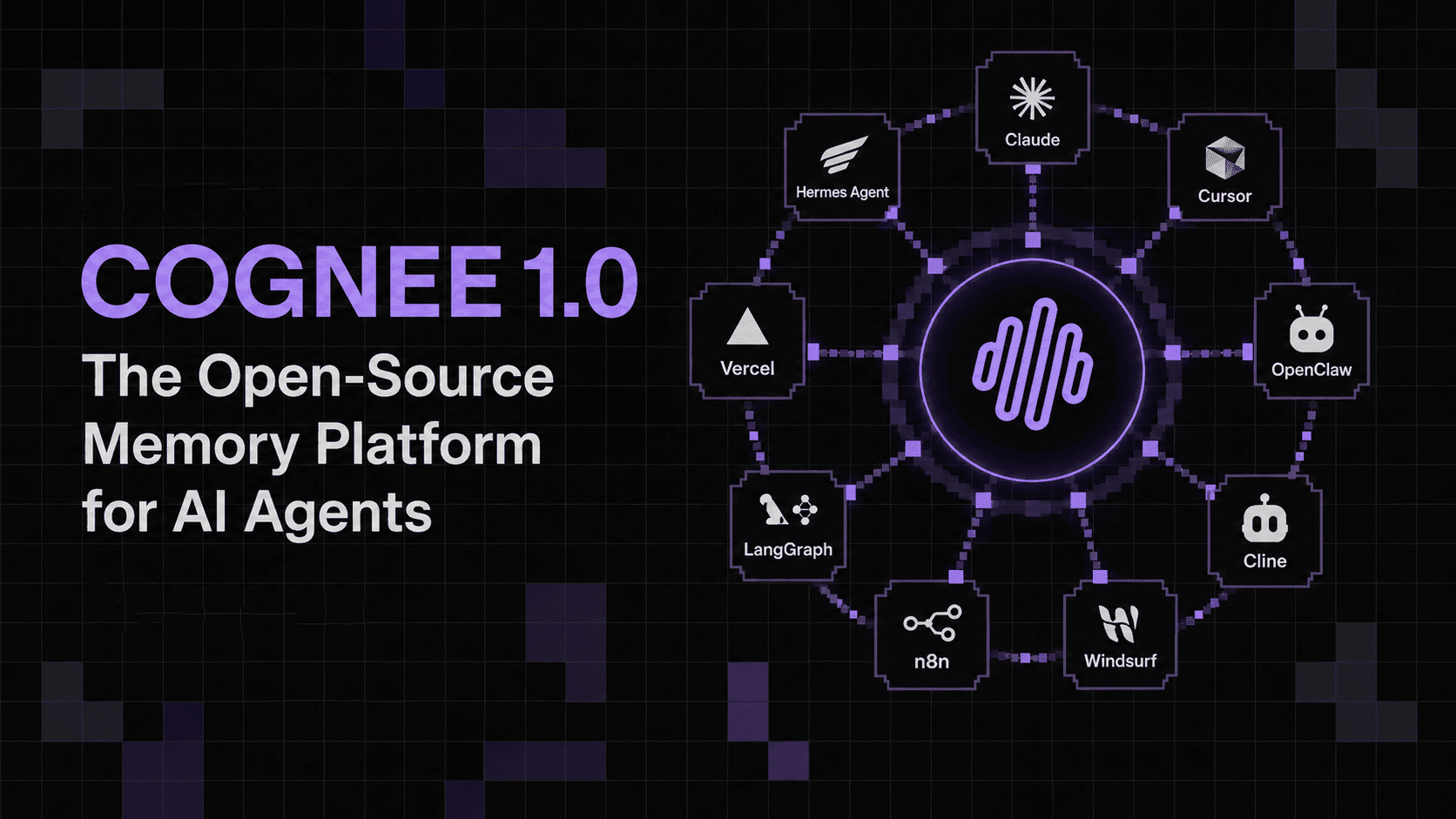
cognee 1.0: The Open-Source Memory Platform for AI Agents

Claude Code's Leak Reveals Anthropic's Obsession with Cognee

Cognee Raises $7.5M Seed to Build Memory for AI Agents
AI Agent Memory: The Definitive Guide
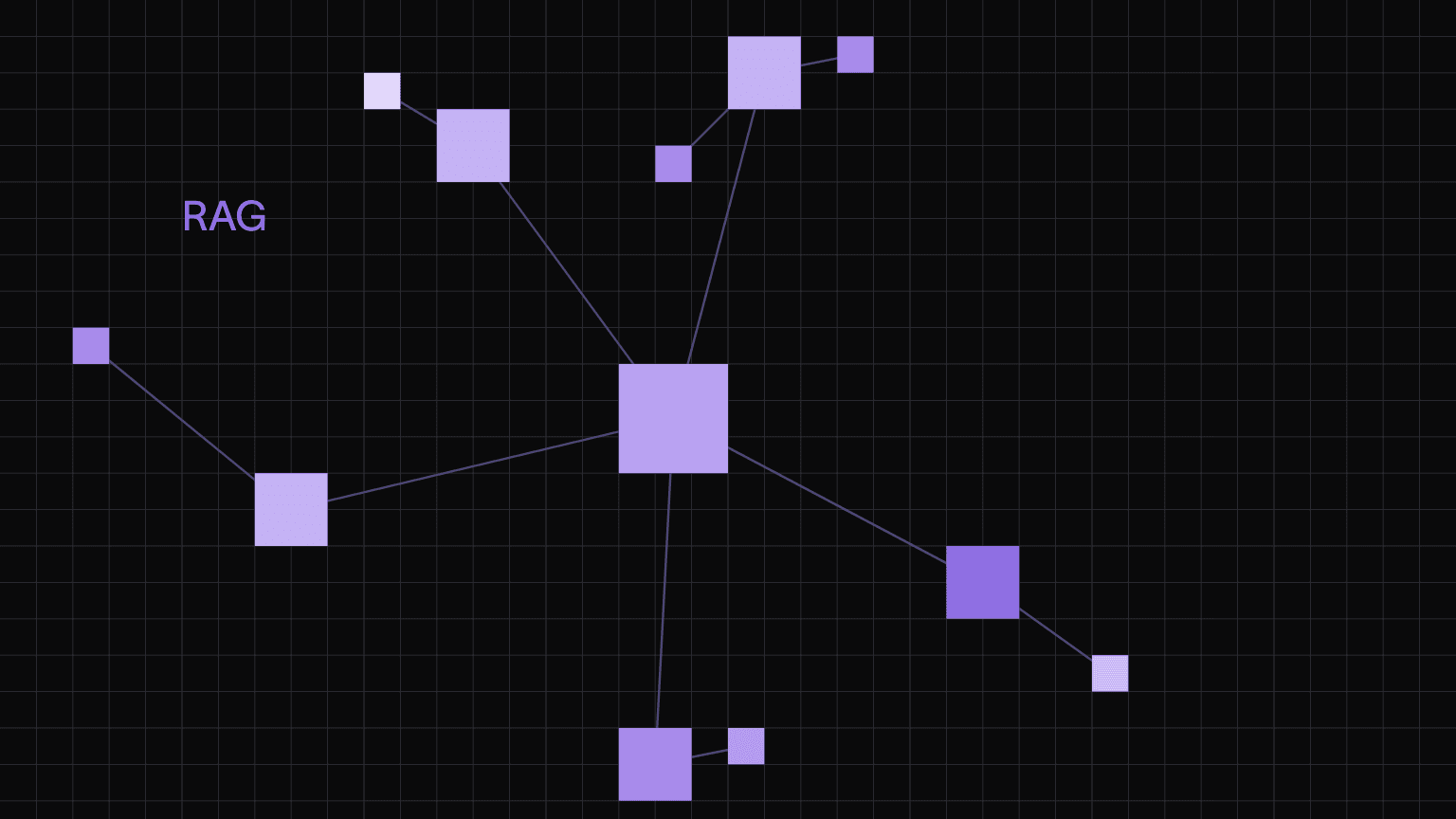
What Is RAG? Retrieval-Augmented Generation Explained
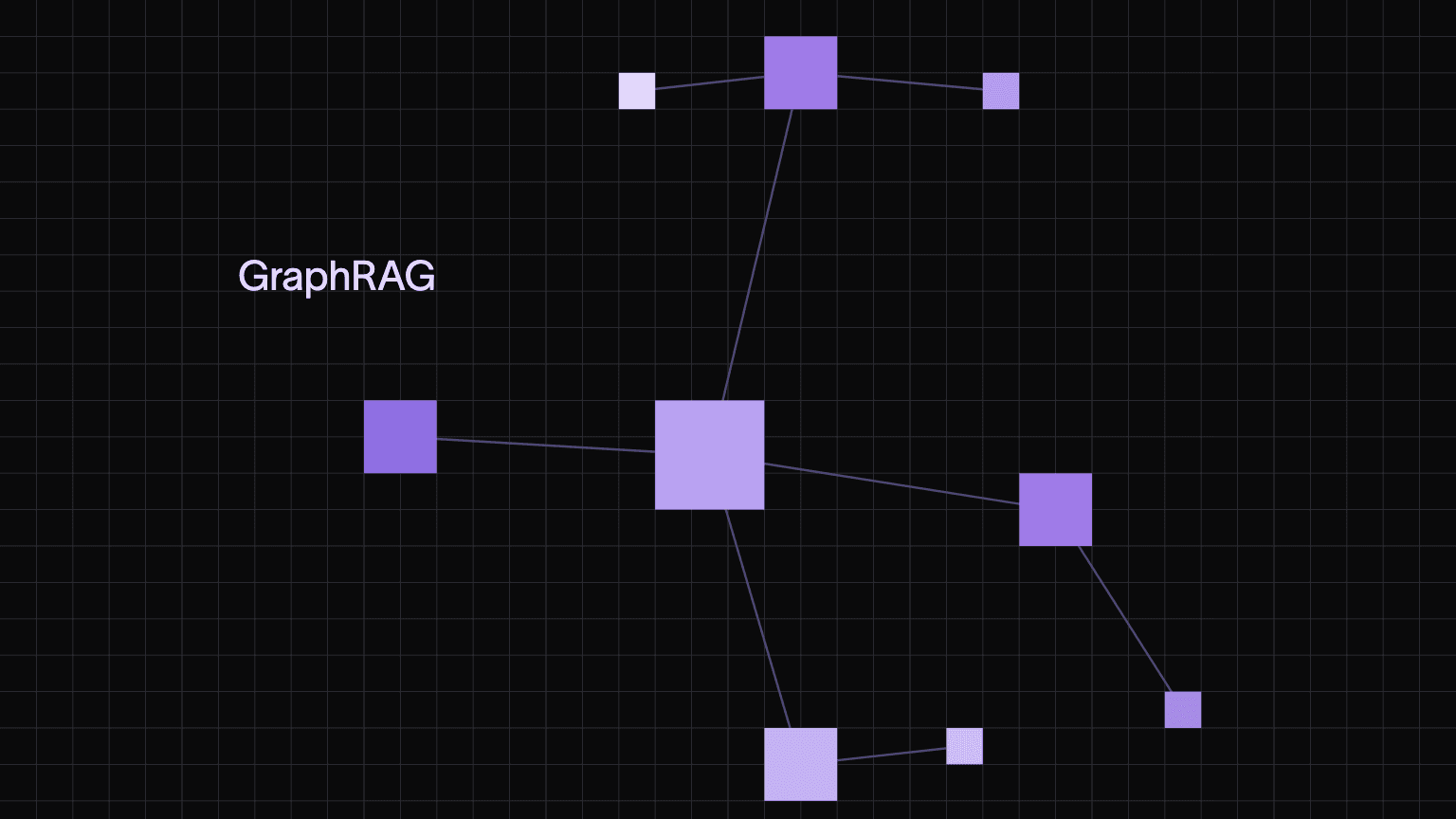
What Is GraphRAG? Retrieval-Augmented Generation with Knowledge Graphs Explained
Elevating AI-Driven Credit Card Insights: A Tier-1 US Bank's Semantic AI Memory Discovery

Turning PDFs into Evidence-Based Answers: How We Built a Trustworthy Evidence Graph for UWYO
Smart Networks, Smarter Students: How cognee Connected 40,000 German Learners
Coding Agents Don't Need Bigger Context Windows — They Need Better Memory
What Is Agentic RAG? How It Works and When to Use It
cognee on BEAM: SOTA Results Without a Benchmark-Specific Memory System
Why AI Agents Forget and How to Fix Their Memory
Give Claude Code Persistent Memory With cognee
Structure Your Skills with Cognee
Cut Cognee's Vector Memory by 8x with Qdrant's TurboQuant
ScrapeGraphAI + Cognee: Turn Live Web Data Into a Knowledge Graph